

ABS is a thermoplastic copolymerisate made from acrylonitrile, butadiene and styrene monomers. Using different combinations of these monomers, wide-ranging different ABS types can be manufactured offering a wide spectrum of different properties by means of branching or copolymerization. ABS is classified as an amorphous thermoplastic. By changing the proportions of its components, ABS can be prepared in different grades. Two major categories could be ABS for extrusion and ABS for injection moulding, then high and medium impact resistance. Generally ABS would have useful characteristics within a temperature range from -20 to 80 °C (-4 to 176 °F).
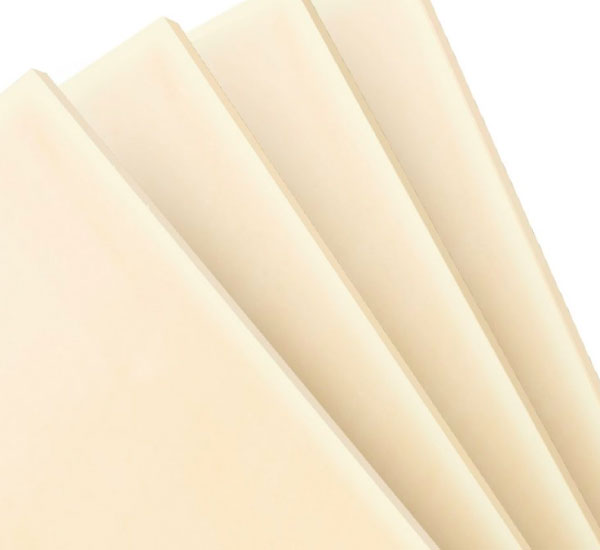
Stock Shape / Size Range : Plate (Thickness: 10mm – 100mm) / Rod (Dia: 10mm – 150mm)
Drain-waste-vent pipe systems, musical instruments , golf club heads (good shock absorbance), automotive trim components, automotive bumper bars, medical devices for blood access, enclosures for electrical and electronic assemblies, protective headgear, buffer edging for furniture and joinery panels, luggage and protective carrying cases, small kitchen appliances, keyboard keycaps and toys, including Lego bricks, Household and consumer goods.
Characteristics:
Low density
High degree of toughness
High strength and hardness
High chemical resistance
Moderately high thermal stability
Gamma and X-ray resistance
Very good machining properties
Low moisture absorption
Highly scratch-proof